

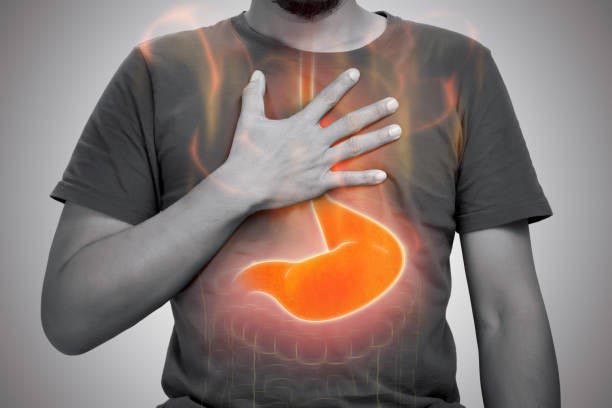
What Is Indigestion?
Indigestion, medically known as Dyspepsia, is a common digestive issue that causes discomfort in the upper abdomen. It is not a disease itself but a collection of symptoms triggered by poor digestion.
Most people experience indigestion occasionally, especially after heavy meals, overeating, or consuming oily or spicy foods. However, frequent indigestion may indicate an underlying digestive imbalance.
Common Symptoms of Indigestion
Indigestion can present in different ways depending on the individual. The most common symptoms include:
- A feeling of fullness during or after eating
- Bloating and abdominal discomfort
- Burning sensation in the stomach or chest
- Excessive burping or gas
- Nausea or occasional vomiting
- Acid reflux or heartburn
If these symptoms persist frequently, it may be a sign of chronic digestive issues that require attention.
Major Causes of Indigestion
Indigestion is often linked to lifestyle and dietary habits. Some of the most common causes include:
1. Overeating or Eating Too Fast
Consuming large meals or eating quickly can overload the digestive system, leading to discomfort and bloating.
2. Poor Food Choices
Spicy, fried, processed, and high-fat foods are harder to digest and can trigger indigestion.
3. Stress and Anxiety
Mental stress directly impacts gut health. High stress levels can slow digestion and increase stomach acid production.
4. Irregular Eating Habits
Skipping meals or eating at inconsistent times disrupts digestive rhythms.
5. Excessive Caffeine or Alcohol
Both can irritate the stomach lining and worsen indigestion symptoms.
6. Lack of Physical Activity
A sedentary lifestyle slows down metabolism and digestive efficiency.
Natural Remedies for Indigestion
Managing indigestion naturally focuses on improving digestion rather than suppressing symptoms.
1. Ginger for Digestive Relief
Ginger stimulates digestive enzymes and helps reduce bloating and nausea. Drinking ginger tea after meals can be beneficial.
2. Fennel Seeds for Bloating
Chewing fennel seeds post-meal helps reduce gas and supports smoother digestion.
3. Warm Water Therapy
Drinking warm water, especially after meals, aids in breaking down food and improving gut movement.
4. Herbal Teas
Peppermint, chamomile, and cumin tea help relax the digestive tract and ease discomfort.
5. Apple Cider Vinegar
A diluted solution before meals may improve stomach acid levels and digestion in some individuals.
Dietary Tips to Prevent Indigestion
Making simple dietary adjustments can significantly improve digestion:
| Habit | Benefit |
| Eat smaller, more frequent meals | Prevents overloading the stomach |
| Chew food thoroughly | Enhances digestion process |
| Avoid late-night eating | Reduces acid reflux risk |
| Include fibre-rich foods | Supports gut health |
| Stay hydrated | Aids digestion and nutrient absorption |
Lifestyle Changes for Better Digestion
Beyond diet, your daily habits play a major role in digestive health:
- Maintain a consistent meal schedule
- Practice mindful eating (avoid distractions while eating)
- Engage in light physical activity like walking after meals
- Manage stress through meditation or breathing exercises
- Ensure adequate sleep for overall gut health
When to See a Doctor
Occasional indigestion is normal, but medical attention is necessary if you experience:
- Persistent or severe abdominal pain
- Unexplained weight loss
- Frequent vomiting
- Difficulty swallowing
- Chronic acid reflux
These could indicate more serious conditions that require proper diagnosis.
Conclusion
Indigestion is a common yet manageable issue that often stems from lifestyle and dietary habits. By making conscious changes such as eating mindfully, choosing gut-friendly foods, and managing stress, you can significantly improve your digestive health.
Natural remedies can offer relief, but long-term wellness comes from maintaining a balanced lifestyle and listening to your body’s needs.
